


Leading Mining Company
Jones K3 Mining Leader in Mining, Renewable Energy, Property, Manufacturering & Logistics

ABOUT US
Jones K3 Mining
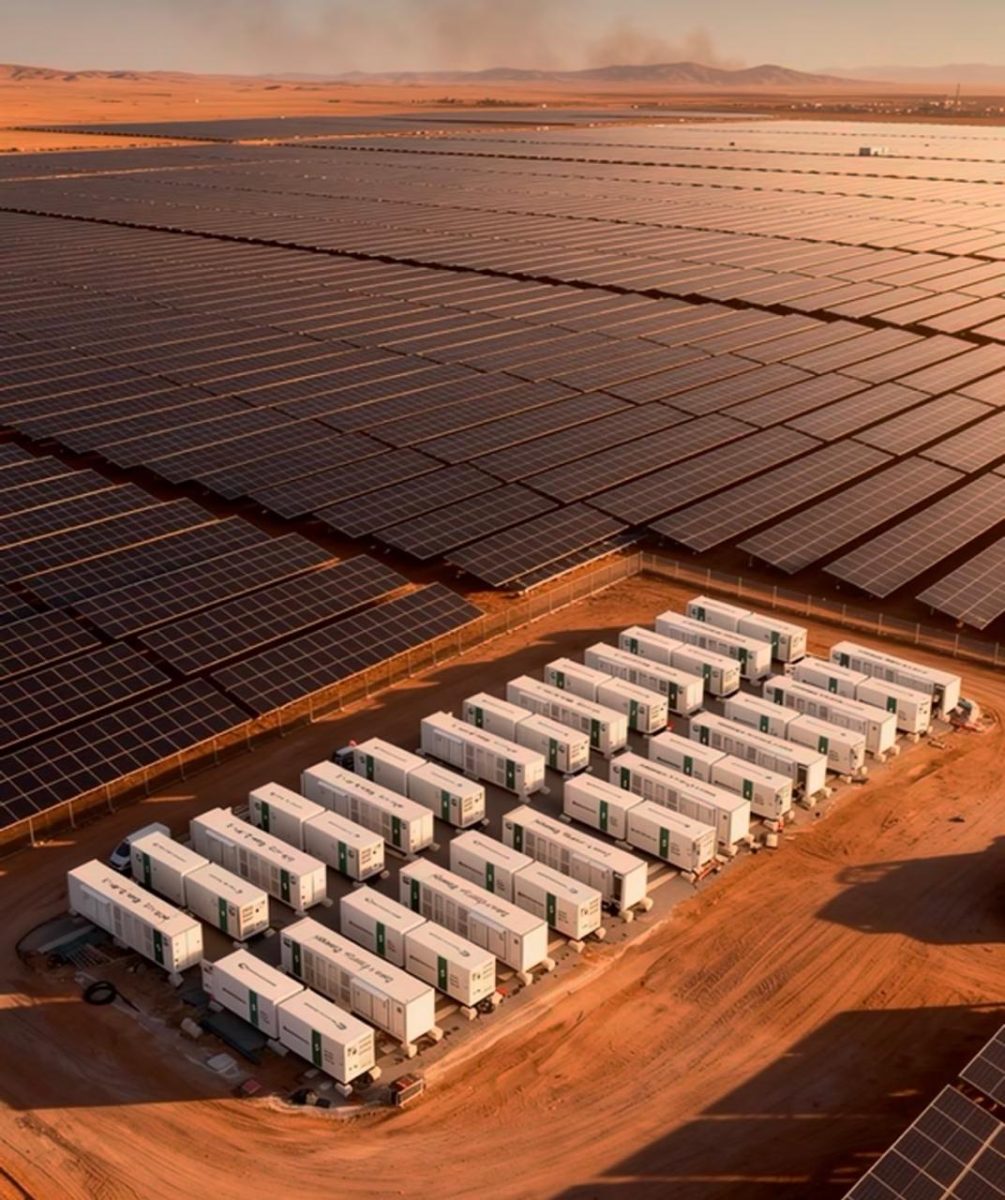
70 MW SOLAR PHOTOVOLTAIC POWER PLANT
PROJECT DEVELOPMENT & INVESTMENT PROFILE
Developer: JonesK3 Renewable Energy
Project Capacity: 70 MW
Technology: Utility-Scale Solar Photovoltaic (PV)
Optional Storage: Battery Energy Storage System (BESS)
Country: Republic of South Africa
Project Type: Independent Power Producer (IPP) / Private Renewable Energy Generation
Development Status: Proposed / Development Phase
Target Market: Utility, mining, industrial, commercial and private electricity offtakers
⸻
1. EXECUTIVE SUMMARY
JonesK3 Renewable Energy proposes the development of a 70 MW utility-scale solar photovoltaic power generation facility in South Africa.
The project is intended to form part of JonesK3’s long-term strategy to establish a diversified energy platform capable of supplying reliable, competitive and lower-carbon electricity to major electricity consumers.
The proposed facility will convert solar energy into electricity through utility-scale photovoltaic technology and will be designed for connection to the appropriate electricity network, subject to technical studies, grid capacity, regulatory approvals and final connection arrangements.
The project may additionally incorporate a Battery Energy Storage System (BESS). The final battery capacity and duration will be determined during the project’s technical and commercial feasibility studies.
The project is envisaged as an Independent Power Producer development with several potential routes to market, including:
* Long-term private Power Purchase Agreements (PPAs);
* Electricity supply to mining and industrial operations;
* Wheeling electricity through the national or relevant distribution network to contracted customers;
* Participation in qualifying public electricity procurement programmes; and
* Other electricity trading or bilateral offtake structures permitted under South African legislation.
The principal objective is to develop a bankable, technically robust and commercially sustainable 70 MW renewable-energy asset capable of operating over a long-term project life.
⸻
2. PROJECT VISION
The vision of JonesK3 Renewable Energy is to develop a substantial renewable-energy portfolio that supports South Africa’s energy transition while creating sustainable commercial value.
The 70 MW project will serve as a foundation from which JonesK3 can develop additional solar, battery-storage and other renewable-energy projects.
The project is intended to combine:
Energy security + infrastructure investment + industrial development + environmental responsibility + long-term shareholder value.
⸻
3. PROPOSED PROJECT CONFIGURATION
The base-case development concept is:
Installed Solar PV Capacity: Approximately 70 MW
Technology: High-efficiency photovoltaic modules
Configuration: Ground-mounted utility-scale solar PV
Inverters: Utility-scale string or central inverter configuration
Mounting: Fixed-tilt or single-axis tracking, subject to optimisation
Grid Connection: Eskom/NTCSA or applicable municipal/distribution network, subject to studies and approval
Battery Storage: Optional BESS
Plant Design Life: Approximately 25–30+ years, subject to equipment selection and engineering design
The final DC/AC ratio, module technology, inverter architecture, storage configuration and electrical design would be determined through detailed engineering and financial optimisation.
⸻
4. SOLAR GENERATION POTENTIAL
A 70 MW solar facility’s actual annual production depends materially on the location, solar irradiation, system design, module selection, tracking technology, losses, degradation, curtailment and plant availability.
For pre-feasibility illustration only, assuming an effective capacity factor of approximately 22%–27%, a 70 MW plant could generate approximately:
135–166 GWh of electricity annually.
A midpoint assumption of approximately 25% would produce around:
153 GWh per annum.
These numbers should not be presented to investors or lenders as the project’s final energy yield until a professional solar resource and P50/P90 energy-yield assessment has been completed.
⸻
5. BATTERY ENERGY STORAGE SYSTEM
JonesK3 may consider integrating battery storage into the project.
Illustrative configurations for further assessment could include:
35 MW / 70 MWh – approximately two-hour storage; or
35 MW / 140 MWh – approximately four-hour storage; or
another configuration determined through optimisation studies.
Battery storage can potentially enable the project to store electricity during periods of high solar generation and discharge energy at strategically advantageous times.
Depending on the final commercial structure, a BESS could support:
* Energy shifting;
* Peak-period supply;
* Improved dispatchability;
* Grid-support functions;
* Reduction of certain curtailment impacts;
* Improved PPA product design; and
* Greater flexibility for industrial and mining customers.
The battery investment should only be finalised after modelling the additional capital cost against the expected revenue and operational benefits.
⸻
6. LAND REQUIREMENTS
The project’s final land requirement will depend on module efficiency, terrain, environmental buffers, tracking configuration, internal roads, substation infrastructure and layout optimisation.
For early planning purposes, a 70 MW utility-scale solar development could reasonably require approximately:
100–160 hectares, subject to detailed design.
The preferred property should provide:
* Strong solar irradiation;
* Suitable topography;
* Appropriate geotechnical conditions;
* Practical road access;
* Proximity to suitable grid infrastructure;
* Minimal environmental constraints;
* Appropriate land-use rights; and
* Sufficient space for future expansion where possible.
JonesK3 should prioritise grid capacity and connection feasibility alongside solar resource when selecting the site.
⸻
7. GRID CONNECTION STRATEGY
Grid access is one of the most important development risks for a South African renewable-energy project.
Before committing substantial development capital, JonesK3 should undertake a detailed grid screening exercise.
The process should assess:
Step 1 – Site identification
Identify potential project sites.
Step 2 – Grid capacity screening
Identify nearby substations, transmission/distribution infrastructure and indicative available connection capacity.
Step 3 – Grid connection application
Submit the required application to the relevant network service provider.
Step 4 – Technical studies and quotation process
Complete the required network studies and progress through the applicable quotation process.
Step 5 – Connection agreements
Negotiate and execute the relevant connection, use-of-system and operating agreements.
Step 6 – Construction and commissioning
Construct the required connection infrastructure and complete testing, synchronisation and commissioning.
Grid capacity cannot be assumed merely because transmission infrastructure exists near the proposed site.
⸻
8. SOUTH AFRICAN REGULATORY FRAMEWORK
The project will need to comply with the applicable South African electricity, environmental, planning, land, grid-code and construction requirements.
South Africa removed the previous generation-capacity threshold from Schedule 2 of the Electricity Regulation Act for qualifying private generation projects. This substantially expanded the opportunity for private generation; however, applicable registration, grid, environmental and other regulatory requirements still need to be addressed for each project.
The project’s legal team should therefore establish a dedicated regulatory compliance matrix covering, among other matters:
* NERSA requirements;
* Grid connection requirements;
* Environmental authorisations;
* Land rights and land-use approvals;
* Water-related approvals where applicable;
* Heritage considerations;
* Aviation or other specialist approvals where relevant;
* Electricity wheeling arrangements;
* Electricity trading arrangements where applicable; and
* Construction, occupational health and safety compliance.
⸻
9. ENVIRONMENTAL AND SOCIAL DEVELOPMENT
Environmental responsibility should be incorporated from the earliest stage of development.
Specialist investigations may include:
* Terrestrial biodiversity;
* Aquatic ecology;
* Avifauna;
* Heritage and archaeology;
* Visual impact;
* Agricultural potential;
* Stormwater and hydrology;
* Geotechnical conditions;
* Traffic impact; and
* Socio-economic impact.
The project should be designed to avoid or minimise sensitive environmental areas wherever practicable.
⸻
10. POWER PURCHASE AGREEMENT STRATEGY
A bankable offtake strategy is central to project financing.
JonesK3 could pursue one or a combination of the following structures:
A. PRIVATE CORPORATE PPA
A long-term PPA with a financially strong private-sector customer.
Potential customers could include:
* Mining companies;
* Smelters and mineral-processing operations;
* Manufacturing facilities;
* Data centres;
* Commercial property portfolios; and
* Other large electricity consumers.
B. MINING POWER SUPPLY
Given JonesK3’s strategic exposure to the mining industry, the project could target electricity supply to energy-intensive mining operations.
This creates a natural strategic relationship between:
JonesK3 Mining + JonesK3 Renewable Energy.
C. WHEELING
Electricity generated at the solar facility could potentially be transported through the relevant network to an off-site customer, subject to the required agreements and network arrangements.
D. PUBLIC PROCUREMENT
Where commercially attractive and eligible, the project could consider participation in government renewable-energy procurement programmes.
⸻
11. INDICATIVE CAPITAL INVESTMENT
The final capital cost cannot responsibly be fixed before obtaining EPC quotations, grid-connection costs, land arrangements, technical studies, financing terms and the final BESS configuration.
For preliminary internal modelling, management should establish separate budgets for:
Solar PV EPC
Grid connection and substation
Development expenditure
Land acquisition/lease
Environmental and technical studies
Owner’s engineering
Insurance
Financing costs
Contingency
Battery storage, if selected
Rather than presenting an unsupported headline construction price, JonesK3 should run a competitive EPC procurement process and establish a lender-grade CAPEX model.
⸻
12. INDICATIVE REVENUE MODEL
Revenue will principally be determined by:
Annual electricity sold × contracted electricity tariff
For illustration, if the project generated approximately 153,000 MWh annually, gross electricity revenue before losses, escalation and other adjustments would be approximately:
Illustrative tariff Indicative annual gross revenue
R0.80/kWh R122.6 million
R0.90/kWh R137.8 million
R1.00/kWh R153.3 million
R1.10/kWh R168.6 million
R1.20/kWh R183.9 million
These are illustrative scenarios rather than forecasts.
Actual project revenue will depend on the contracted PPA tariff, energy yield, availability, degradation, curtailment, wheeling losses, escalation mechanism and other commercial provisions.
⸻
13. PROJECT FINANCING STRUCTURE
JonesK3 should consider establishing a dedicated Special Purpose Vehicle (SPV) for the project.
An illustrative structure could be:
JonesK3 Group / Sponsor
↓
JonesK3 Renewable Energy Holdings
↓
JonesK3 70 MW Solar Project SPV (Pty) Ltd
↓
70 MW Solar PV + BESS Project
The SPV would ordinarily hold the relevant project rights and enter into major project agreements.
Potential financing could consist of:
Sponsor Equity + Development Capital + Senior Project Debt
Subject to bankability, potential funding sources may include:
* South African commercial banks;
* Development finance institutions;
* Infrastructure funds;
* Climate-finance institutions;
* Pension/institutional infrastructure capital;
* Strategic energy investors; and
* International project-finance lenders.
⸻
14. PRINCIPAL PROJECT AGREEMENTS
A bankable project would normally require a comprehensive contractual framework including:
Power Purchase Agreement (PPA)
Defines the electricity sale arrangements.
EPC Contract
Covers engineering, procurement and construction.
O&M Agreement
Covers long-term plant operation and maintenance.
Land Agreement
Provides secure project land tenure.
Grid Connection Agreements
Govern physical connection and use of the electricity network.
Financing Agreements
Govern debt and security arrangements.
Equipment Supply Agreements
Cover key components where these are procured separately.
Insurance Programme
Protects the project through construction and operations.
⸻
15. ENGINEERING, PROCUREMENT AND CONSTRUCTION
JonesK3 should seek an experienced utility-scale renewable-energy EPC contractor through a competitive procurement process.
The EPC scope should include:
* Detailed engineering;
* Solar modules;
* Mounting/tracking systems;
* Inverters;
* Transformers;
* Internal electrical network;
* SCADA and plant-control systems;
* Civil works;
* Roads and drainage;
* Project substation;
* Security infrastructure;
* Testing;
* Commissioning; and
* Performance guarantees.
The contract should contain appropriate provisions dealing with completion dates, liquidated damages, performance guarantees, defects and equipment warranties.
⸻
16. OPERATIONS AND MAINTENANCE
Following commercial operation, the facility should operate under a comprehensive long-term O&M programme.
Key activities include:
* Preventative maintenance;
* Corrective maintenance;
* Module cleaning;
* Vegetation management;
* Inverter and transformer maintenance;
* SCADA monitoring;
* Security;
* Performance analysis;
* Spare-parts management; and
* Grid-code compliance.
A properly maintained solar facility can provide a long-duration infrastructure asset with relatively predictable operating expenditure.
⸻
17. EMPLOYMENT AND ECONOMIC DEVELOPMENT
The project should establish a formal local economic-development strategy.
Employment will generally be highest during construction and substantially lower during long-term operations.
Potential opportunities include:
Construction Phase
Civil works
Electrical installation
Security
Transport
Earthworks
Fencing
Road construction
Mechanical installation
Accommodation and catering
Equipment handling
General labour
Operational Phase
Plant management
Electrical technicians
Maintenance personnel
Security
Vegetation management
Cleaning
Administration
Environmental monitoring
Where commercially feasible, JonesK3 should prioritise local procurement, skills development and participation of communities surrounding the project.
⸻
18. PROJECT DEVELOPMENT PROGRAMME
An indicative development programme could comprise:
PHASE 1 — PRE-FEASIBILITY
0–3 months
Site screening
Solar-resource assessment
Initial grid assessment
Land negotiations
Preliminary financial model
PHASE 2 — DEVELOPMENT
3–12+ months
Land rights
Environmental studies
Grid application
Engineering studies
PPA negotiations
Regulatory processes
PHASE 3 — BANKABILITY
9–18+ months
Final PPA
Grid arrangements
EPC procurement
Independent technical review
Financial model
Lender due diligence
Financing negotiations
PHASE 4 — FINANCIAL CLOSE
Execution of financing and major project agreements.
PHASE 5 — CONSTRUCTION
Approximately 12–18 months, subject to final EPC programme, grid works, equipment procurement and site conditions.
PHASE 6 — COMMERCIAL OPERATION
Testing
Grid synchronisation
Performance testing
Commercial Operation Date (COD)
⸻
19. KEY PROJECT RISKS
The principal risks requiring active management include:
Grid Capacity Risk
Insufficient connection capacity or expensive network reinforcement.
Development Risk
Delays in environmental, land or other approvals.
Offtake Risk
Failure to secure a sufficiently bankable electricity purchaser.
Construction Risk
Schedule or cost overruns.
Financing Risk
Higher interest rates or inability to achieve financial close.
Solar Resource Risk
Actual irradiation below forecast.
Curtailment Risk
Restrictions on electricity exported to the network.
Technology Risk
Equipment underperformance or premature degradation.
Currency Risk
Foreign-currency exposure on imported equipment.
These risks should be allocated contractually to the parties best positioned to manage them.
⸻
20. DEVELOPMENT PRIORITIES
The immediate priorities for JonesK3 should be:
1. Secure a suitable project site.
2. Establish preliminary grid capacity and the preferred point of connection.
3. Commission a bankable solar-resource assessment.
4. Establish environmental constraints.
5. Prepare the project’s initial financial model.
6. Identify potential corporate/mining offtakers.
7. Begin PPA discussions.
8. Obtain preliminary EPC proposals.
9. Determine whether BESS improves project economics.
10. Establish the project SPV and data room.
⸻
21. INVESTMENT PROPOSITION
The JonesK3 70 MW Solar Power Plant represents an opportunity to establish a significant renewable-energy infrastructure asset capable of generating electricity over several decades.
The project’s investment proposition will ultimately rest on four pillars:
BANKABLE OFFTAKER
A creditworthy customer contracted under a long-term PPA.
SECURED GRID CONNECTION
A technically and commercially viable connection with adequate capacity.
COMPETITIVE CONSTRUCTION COST
Bankable EPC pricing and proven technology.
STRONG PROJECT FINANCE
A sustainable combination of equity and long-term debt.
Once these elements have been secured, JonesK3 can position the project for financial close and construction.
⸻
22. STRATEGIC LONG-TERM VISION
The 70 MW project should not be viewed as an isolated power station.
It can become the foundation of a broader:
JONESK3 RENEWABLE ENERGY PLATFORM
The long-term portfolio could incorporate:
Solar PV
Battery Energy Storage
Wind Energy
Hybrid Renewable Plants
Mining Energy Solutions
Private Power Purchase Agreements
Electricity Wheeling
Energy Trading
Green Industrial Projects
The strategic objective would be to progressively develop JonesK3 from a single-project renewable developer into an integrated African energy infrastructure platform.
⸻
CONCLUSION
The proposed JonesK3 Renewable Energy 70 MW Solar Power Plant has the potential to become a substantial infrastructure investment.
The project’s immediate emphasis should be on site control, grid capacity, environmental feasibility, energy yield, offtake and financial bankability before major capital is committed.
A disciplined development strategy, supported by experienced technical, environmental, legal and financial advisers, can position JonesK3 Renewable Energy to take the project from concept through development, financial close, construction and ultimately commercial operation.
JONESK3 RENEWABLE ENERGY
Powering Industry. Building Energy Security. Investing in Africa’s Sustainable Future.
70 MW SOLAR PV POWER PLANT
Dr Jonas Maome is a geotechnical and geomechanical engineer with over 15 years of professional experience in the mining industry. He specialises in rock engineering, geotechnical design, ground control, and numerical modelling for both underground and surface mining operations.
As a Qualified Person (QP) for geotechnical components of mining studies, Dr Maome provides technical leadership on scoping, prefeasibility, feasibility, and operational projects. His expertise includes conducting independent due diligence assessments and third-party technical reviews of geotechnical designs, induced seismicity, ground support systems, and advanced numerical modelling studies.
Dr Maome is recognised for his expertise in high-end numerical modelling, developing calibrated three-dimensional geomechanical models that accurately simulate rock mass behaviour using field observations, geological data, and geotechnical monitoring information. His work supports mine planning, excavation design, risk assessment, and the optimisation of mining operations.
He also has extensive experience in operational rock engineering and ground control, including rock mass characterisation, excavation stability assessments, ground support design, seismic hazard evaluation, and mine safety improvement initiatives.
In addition to his underground mining expertise, Dr Maome has significant experience in slope mechanics, providing specialist advice on the design, analysis, monitoring, and stability assessment of both natural and engineered rock slopes. His technical knowledge contributes to the safe and sustainable development of large-scale open-pit and underground mining projects.
Throughout his career, Dr Maome has been committed to delivering practical, innovative, and technically sound engineering solutions that enhance safety, optimise operational performance, and support responsible resource development.
The Real Measure of Scale in Mining
In an industry where visibility often gets mistaken for substance, true influence is measured by capacity, contracts, and consistency. By that standard, Jonesk3 Mining stands among South Africa’s most significant players.
Leadership
Dr. Jonas Maome is the Group CEO and Co-Founder of Jonesk3 Mining, and Chairperson of the broader Jonesk3 Group. Under his leadership, the group has grown into a diversified mining and logistics operation with an annual turnover of R46.2 billion. His focus has been on building vertically integrated operations that control critical parts of the coal value chain, from extraction to delivery.
Operations & Market Position
Jonesk3 Mining is currently Eskom’s largest supplier of coal. This position was solidified in June 2021 following the acquisition of South32’s South African coal operations. The acquisition expanded Jonesk3 Mining’s production capacity and enabled it to supply coal to multiple Eskom power stations across the country.
The company operates on a dual-market model: approximately 10% of production is allocated to domestic supply for Eskom, while 90% is directed to international export markets. This structure provides both strategic importance to South Africa’s energy security and exposure to global commodity demand.
Logistics Capability
To support its mining operations, Jonesk3 Mining owns and operates Jonesk3 Logistics. The logistics arm maintains a fleet of over 290 trucks, including horse-and-trailer combinations and 34 side tipper units. This in-house logistics capability reduces third-party dependence, improves delivery reliability, and allows the group to manage costs across the supply chain.
Positioning
Jonesk3 Group’s growth has been driven less by public profile and more by execution on large-scale supply contracts and infrastructure. The group’s role in keeping Eskom’s coal supply stable underscores its operational scale and its relevance to South Africa’s energy sector.


159 Rivonis Road,
Morningside, Sandton 2146
South Africa